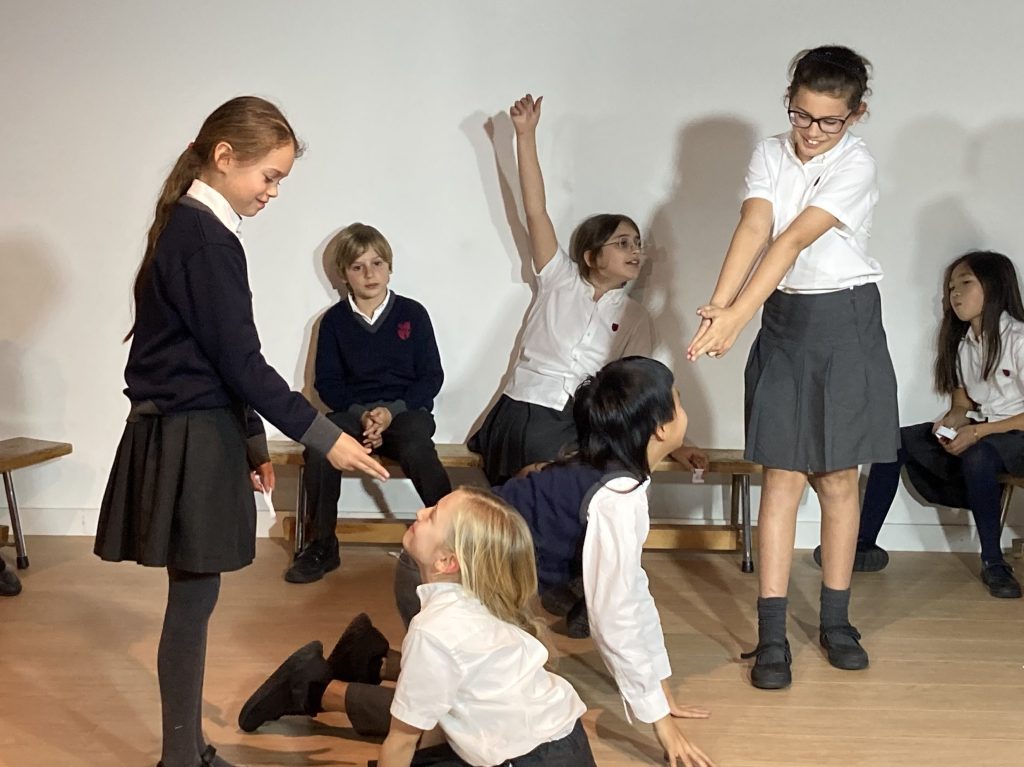
Interactive learning is transforming the way students and teachers connect inside the classroom. Moving away from passive methods, this approach places learners at the center of the experience, engaging them actively through dynamic, creative, and social techniques.
When combined with theatre, collaborative learning, and emotional intelligence, interactive learning becomes a powerful tool for deeper understanding and lasting impact.
This method encourages dialogue, creativity and empathy, offering students more than just information—it offers experience. Teachers become facilitators of exploration, and students are empowered to voice opinions, work together, and learn by doing.
Interactive learning also breaks traditional hierarchies in the classroom, making space for multiple intelligences and learning styles. When applied with purpose, it promotes inclusive education that meets both emotional and intellectual needs. The result is a vibrant classroom where learning is alive, expressive and connected to the real world.
Why does interactive learning matter today?
In today’s education, engagement is essential. Students no longer thrive in environments where knowledge is simply transmitted. Instead, they need to participate, co-create, and reflect. Interactive learning creates this possibility by blending experience, creativity and participation, promoting critical thinking and emotional connection.
Educators that integrate student-centered learning help learners take ownership of their growth. With theatre and drama techniques, emotions, creativity and body language become part of the process. These tools not only help convey complex ideas, but also support confidence, empathy and self-expression.
Drama workshops as a bridge for deeper learning.
Theatre in education is more than performance. It’s a methodology rooted in storytelling, role-play and reflection. Through drama workshops, students learn to analyse situations, adopt different perspectives and engage emotionally with the content.
Techniques like Hot-Seating, Forum Theatre or storytelling circles allow learners to explore characters, solve conflicts and connect abstract ideas with real-life experiences. These dynamics also improve communication, classroom collaboration and participation.
Want to design your own theatre-based session? Learn more by visiting the contact page to create a tailored workshop for your school.
Collaboration as a learning strategy.
Collaborative learning promotes shared responsibility, mutual respect and co-construction of knowledge. In small groups, students solve problems, build stories or analyse cases using a variety of viewpoints. These interactions foster active listening, adaptability and team dynamics.
Combined with theatre, collaboration becomes embodied. Learners use movement, voice, and improvisation to represent ideas and support each other’s growth. This human connection builds trust and transforms the classroom into a safe, engaging space.
Here are a few strategies to try.
- Use dramatic tableaux to summarise key moments in a story or historical event.
- Assign small group tasks with specific roles to balance participation.
- Reflect together after each activity to identify strengths, feelings and new insights.
The role of emotional education in the classroom.
Emotions shape how students learn. Emotional education focuses on helping learners recognise, express and regulate their feelings. In interactive environments, feelings are not only welcomed but also used as learning tools.
Role-playing and theatre games support this work naturally. Learners explore empathy by stepping into others’ shoes, face fears through improvisation, and learn about emotional triggers through group dialogue.
Here’s how you can include emotional intelligence into daily routines.
- Begin sessions with a short emotional check-in.
- Invite reflection on how characters or situations made them feel.
- Encourage journaling or storytelling for emotional expression.
Integrating classroom management tools with creativity.
Maintaining structure in creative classrooms is key. Effective classroom management tools help create consistency while allowing freedom to explore. Visual schedules, group contracts, and movement breaks are simple techniques that support focus and autonomy.
Use signals and rituals that bring rhythm to your day. For example,
- Use a sound cue (like a bell or chime) to mark transitions.
- Implement a group agreement at the start of each term or workshop.
- Introduce breathing exercises to recentre energy.
These tools reduce conflict, increase student accountability and create a predictable framework for interactive work.
Boosting critical thinking through performance and reflection.
Critical thinking is one of the most sought-after skills in education today. But how do we teach it beyond theory? Through theatre and interactive scenarios, students are invited to analyse, question and revise information.
Debrief circles, character analysis, and simulation activities allow learners to test ideas in context. With guidance, they learn to evaluate decisions, justify viewpoints and change course when needed.
Key techniques include,
- Ask open-ended questions during reflection.
- Use “What if?” improvisation prompts to stretch thinking.
- Analyse a scene from different character perspectives.
Student-centered strategies that work.
Student-centered learning means designing education around the interests, strengths and voices of learners. This includes giving choice, promoting curiosity and integrating learners in the planning of lessons or projects.
Practical ways to apply this.
- Allow students to select topics for drama projects or performances.
- Let them choose roles or dynamics that suit their comfort level.
- Use feedback forms to adapt future sessions to their needs.
Through these strategies, students become active participants rather than passive recipients.
Interactive learning through theatre, collaboration, and emotional awareness reshapes the educational experience. It encourages critical thinking, supports wellbeing and strengthens community in the classroom. By applying practical techniques grounded in creativity, teachers can inspire students in meaningful and memorable ways.
Educators today face the challenge of making learning relevant, engaging, and inclusive. Interactive learning offers a clear pathway to meet this challenge. It promotes human connection, curiosity and personal growth, turning classrooms into spaces of empowerment and shared discovery.
The use of creative tools like theatre, collaborative projects and emotional reflection not only enriches content but makes learning transformational. Whether you’re a teacher, facilitator or school leader, embracing this approach can ignite change.If you want to explore how these methods can be adapted to your school, contact Elana to co-create a unique training or workshop experience. Together, let’s reimagine what learning can be.
 Elana Shyong