𝗛𝗼𝘄 𝗰𝗮𝗻 𝘄𝗲 𝗱𝗲𝘀𝗶𝗴𝗻 𝗺𝗲𝗲𝘁𝗶𝗻𝗴𝘀, 𝘄𝗼𝗿𝗸𝘀𝗵𝗼𝗽𝘀, 𝗮𝗻𝗱 𝗲𝘅𝗽𝗲𝗿𝗶𝗲𝗻𝗰𝗲𝘀 𝘄𝗵𝗲𝗿𝗲 𝘁𝗵𝗲 𝘀𝗶𝗹𝗲𝗻𝗰𝗲, 𝘁𝗵𝗲 𝗯𝗹𝗮𝗻𝗸 𝘀𝗽𝗮𝗰𝗲, 𝗯𝗲𝗰𝗼𝗺𝗲𝘀 𝗮𝗻 𝗮𝘀𝘀𝗲𝘁, 𝗻𝗼𝘁 𝗮𝗻 𝗮𝘄𝗸𝘄𝗮𝗿𝗱 𝗺𝗼𝗺𝗲𝗻𝘁?
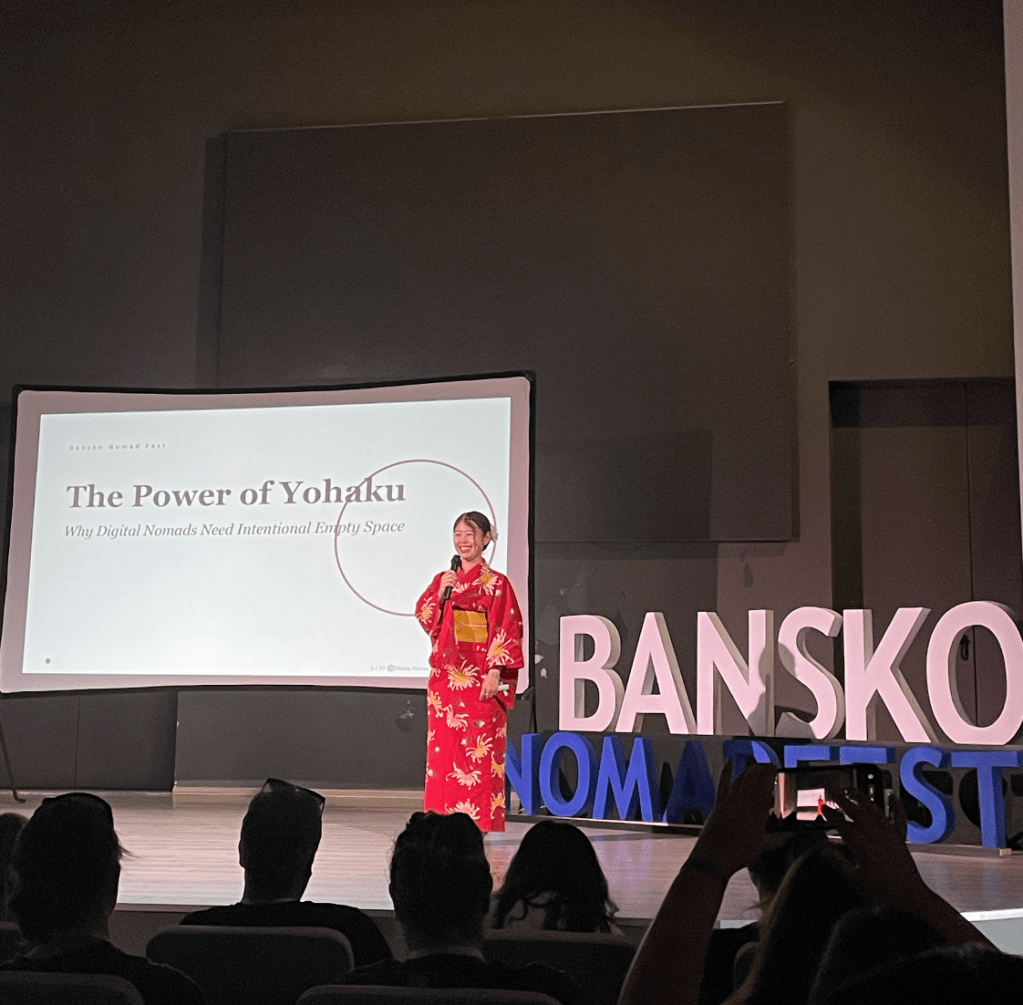
At Bansko Nomad Fest just last week, there was so many brilliant talks. One talk that stuck with me in particular was by SHOKO HIROSE on The Power of Yohaku, the Japanese concept roughly translating to “the beauty of empty spaces”.
It refers to the deliberate use of empty space to create balance and meaning. It stayed with me, for a few different reasons.
As a Taiwanese American, I’ve grown up living with more than one communication style, and that’s shaped how I listen. Moving between high culture contexts, and low culture contexts, I often adjust the way I communicate either to be more nuanced, or to have stronger clarity.
Neither feels strange, nor one right or the other.
They just tell me that people are coming from different cultural habits, different levels of comfort, and different ways of thinking things through.
That’s made me much more aware of what is happening under the surface in a room.
Silence can mean a lot of things.
Sometimes it’s respect.
Sometimes it’s reflection.
Sometimes it’s someone making sure they’ve understood properly before they speak.
And because I have moved between these worlds in my multicultural upbringing, and also now in my professional life, I’ve learned not to rush to interpret silence too quickly.
It’s often where the real thinking happens.
So, how do we design to celebrate that silence?
𝟭. 𝗚𝗶𝘃𝗲 𝘁𝗶𝗺𝗲 𝗯𝗲𝗳𝗼𝗿𝗲 𝗮𝘀𝗸𝗶𝗻𝗴 𝗽𝗲𝗼𝗽𝗹𝗲 𝘁𝗼 𝘀𝗵𝗮𝗿𝗲. A simple “take a moment to think” or “I’m going to give us one minute before we share” changes the whole atmosphere. People relax. They stop feeling like they need to fill space immediately. They get a chance to gather their thoughts rather than react on the spot.
𝟮. 𝗗𝗲𝘀𝗶𝗴𝗻 𝗱𝗶𝗳𝗳𝗲𝗿𝗲𝗻𝘁 𝘄𝗮𝘆𝘀 𝗳𝗼𝗿 𝗽𝗲𝗼𝗽𝗹𝗲 𝘁𝗼 𝗿𝗲𝘀𝗽𝗼𝗻𝗱. Not everyone thinks best by speaking. Some people need to write first. Some are clearer in pairs. Some will say more if there’s a sticky note on the table, or a digital board, or a prompt they can reflect on quietly before opening up. When we give people options, we’re much more likely to hear what they actually want to say.
Emptiness is actually full of possibility. It’s about what can emerge in the space if we’re willing to wait, notice, and design for it.
For me, that connects directly to intercultural work, facilitation, and leadership. The silence tells us something. The pause tells us something. The job is to know how to listen for it.
#interculturalcommunication #culturalawareness #facilitation #inclusion #yohaku #theculturemap #communication #leadership #workshopdesign #globalmindset