When the Unexpected Happens: How I Used ORID to Make a Group Decision Before Midnight
· 3 min read
What would you do if your cruise got cancelled... and you were already halfway there? 🚢
That's the question I opened my webinar When the Unexpected Occurs with on Sunday. I shared three case studies of things that went (very) wrong in nearly 10 years of facilitating, and everyone was already thinking about the real question: the unexpected will always happen, so as facilitators, how do we respond?
Because just a week before, that's exactly what happened to me.
A cancelled cruise and a decision to make
I was on my way to join the Nomad Cruise when, due to a technical issue on the ship, the trip was cancelled. The Nomad Cruise team offered us an alternative cruise, and we had a big decision to make: take the alternative trip, or cancel and do our own thing.
So rather than starting my webinar with a slide, I started with my story and asked the participants: What would you do?
And for us? Here's what we did.
3 November, 10:30 pm: putting my facilitator's hat on
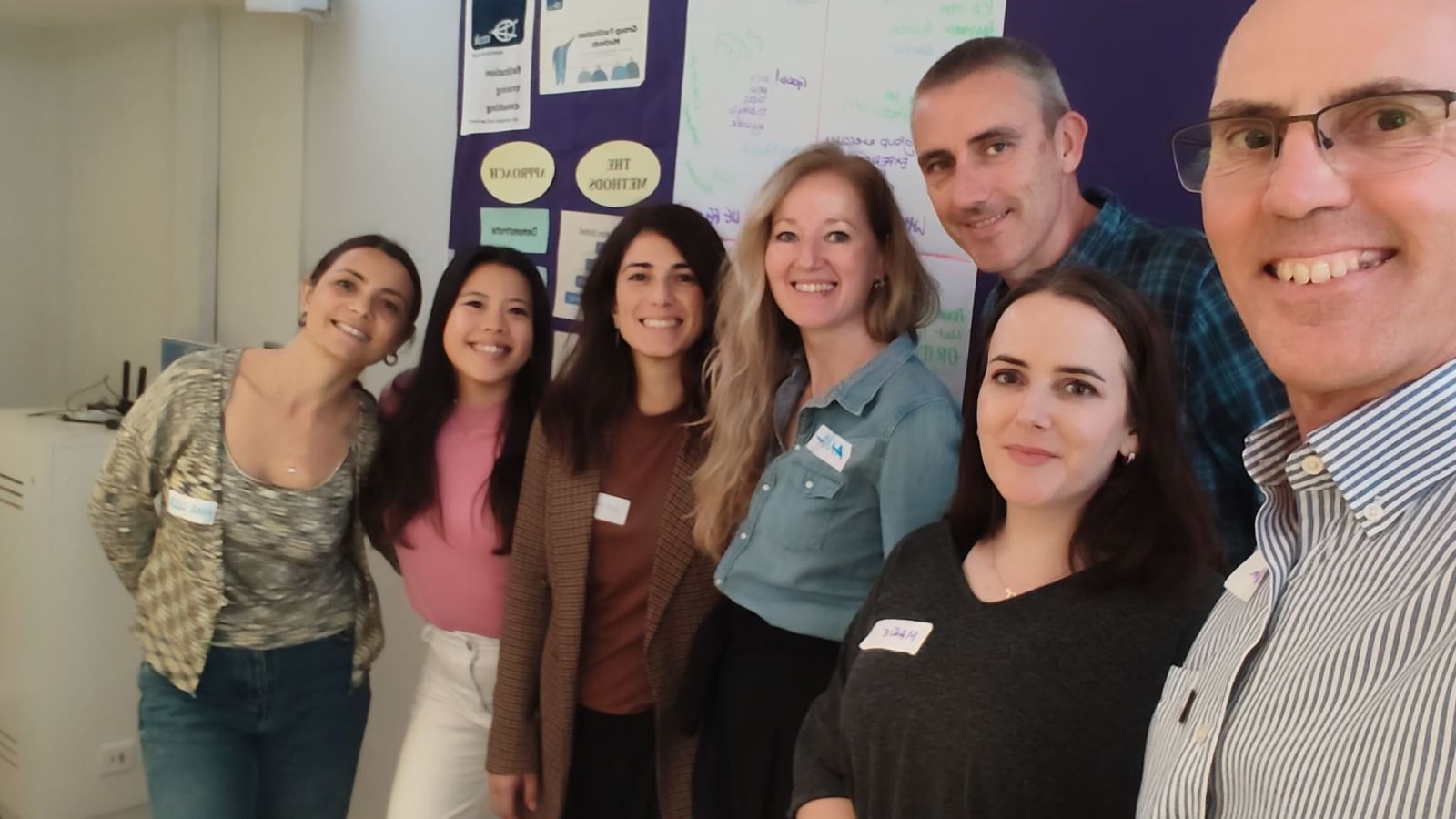
A group of nomads who had travelled into Barcelona from all over the world, tired and feeling under the weather. And a decision to make by midnight.
My first thought: how can we make this decision as quickly and smoothly as possible?
My second thought: ORID. (Thank you, Martin, I didn't expect to use it this soon!)
What is ORID?
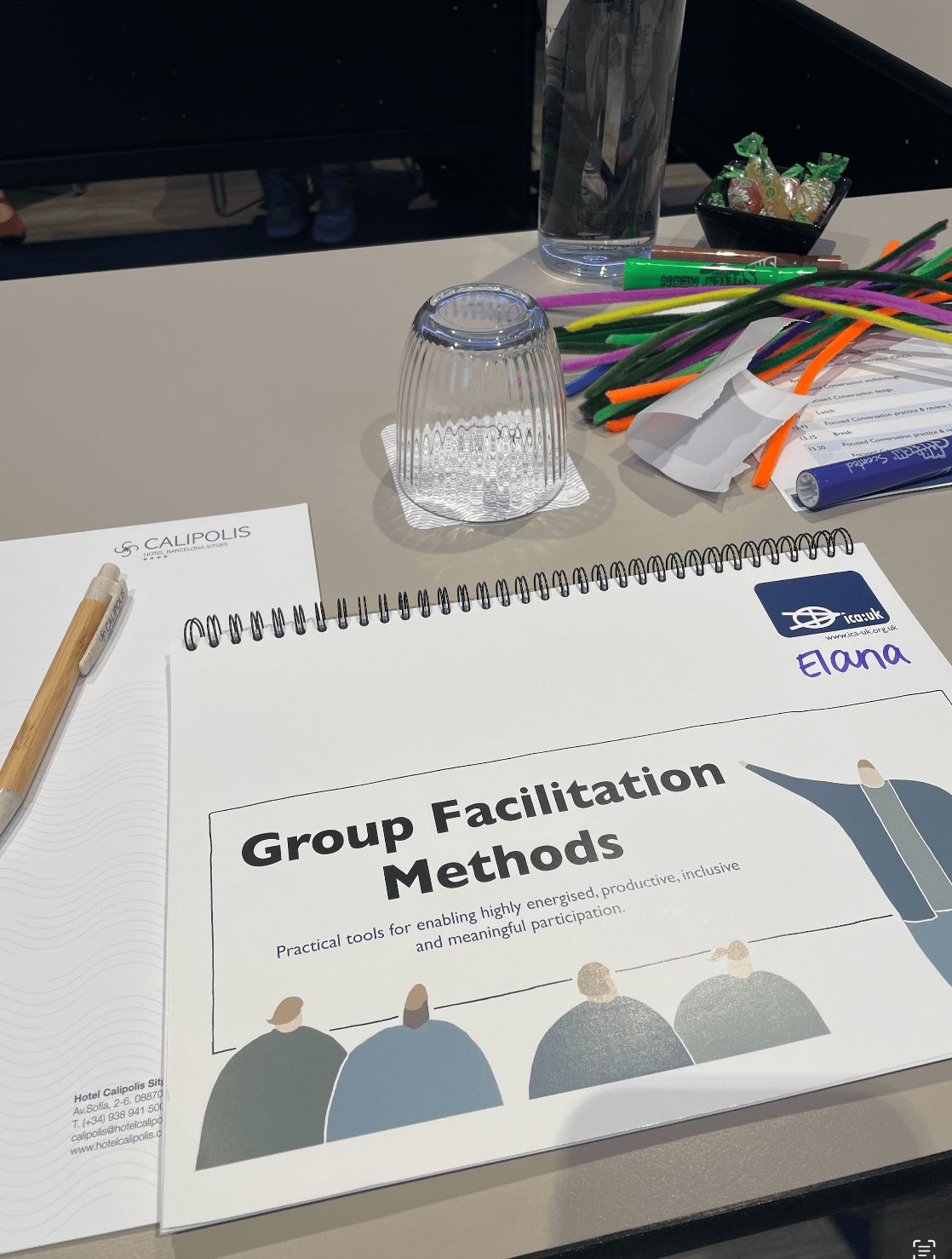
ORID is a facilitation method for structured conversations, from the Technology of Participation developed by the Institute of Cultural Affairs. It moves a group through four kinds of questions, in order:
- Objective: What are the facts? What do we know?
- Reflective: How do we feel about it? Where are we at?
- Interpretive: What does it mean for us? What are the options?
- Decisional: What are we going to do?
It works because it gives everyone the same starting point and makes space for feelings before the group jumps to solutions, which is exactly what you need when people are tired, worried and short on time.
How we used it
Since we already knew the facts, I opened the conversation with the R: asking everyone where they were at. I made sure everyone shared before we started to discuss options.
Once every voice was in the room, the interpretive and decisional parts came surprisingly fast.
We made our decision before midnight.
Even though we chose not to take the alternative cruise, I have to say how impressed I am with the way the Nomad Cruise team handled the whole situation. Managing a crisis like that, with so many people and so many moving parts, is no small task, and they did it with such care. I'm looking forward to joining a cruise in the future!
What came next: our very own pop-up coliving
What came next turned out to be something really special.
In our group, I knew Haz, Fanny and Katia from my work facilitating with Coliving Hub. Through them, I met everyone else: Miranda, Christine, Kristen, Ibraheem, Ali and Vicki Marie.
In just 24 hours, we made our decision and then, before we knew it...
train tickets booked,
plane tickets booked,
stunning accommodation found and booked...
and four days later, we arrived at our final destination: the beautiful Dominican Republic.
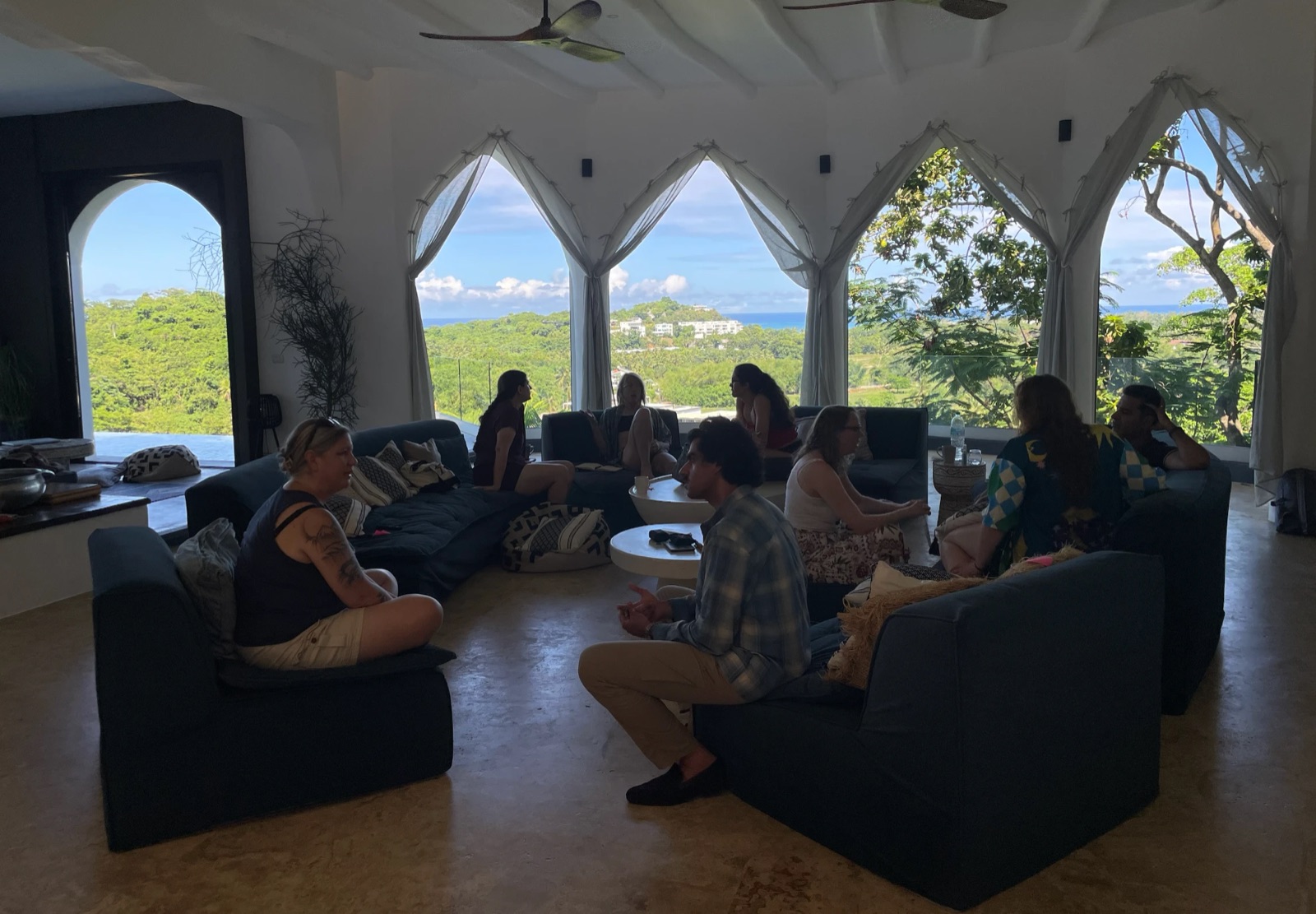
Every one of us played a role, in different ways, to help us get to where we are now. Without meaning to, we've created our very own pop-up coliving. 🏡✨
The facilitation takeaway
The unexpected will always happen, in workshops, in teams and in life. What we can control is how we respond. A simple structure like ORID helps a group slow down just enough to hear everyone, so it can then move quickly and decide together.
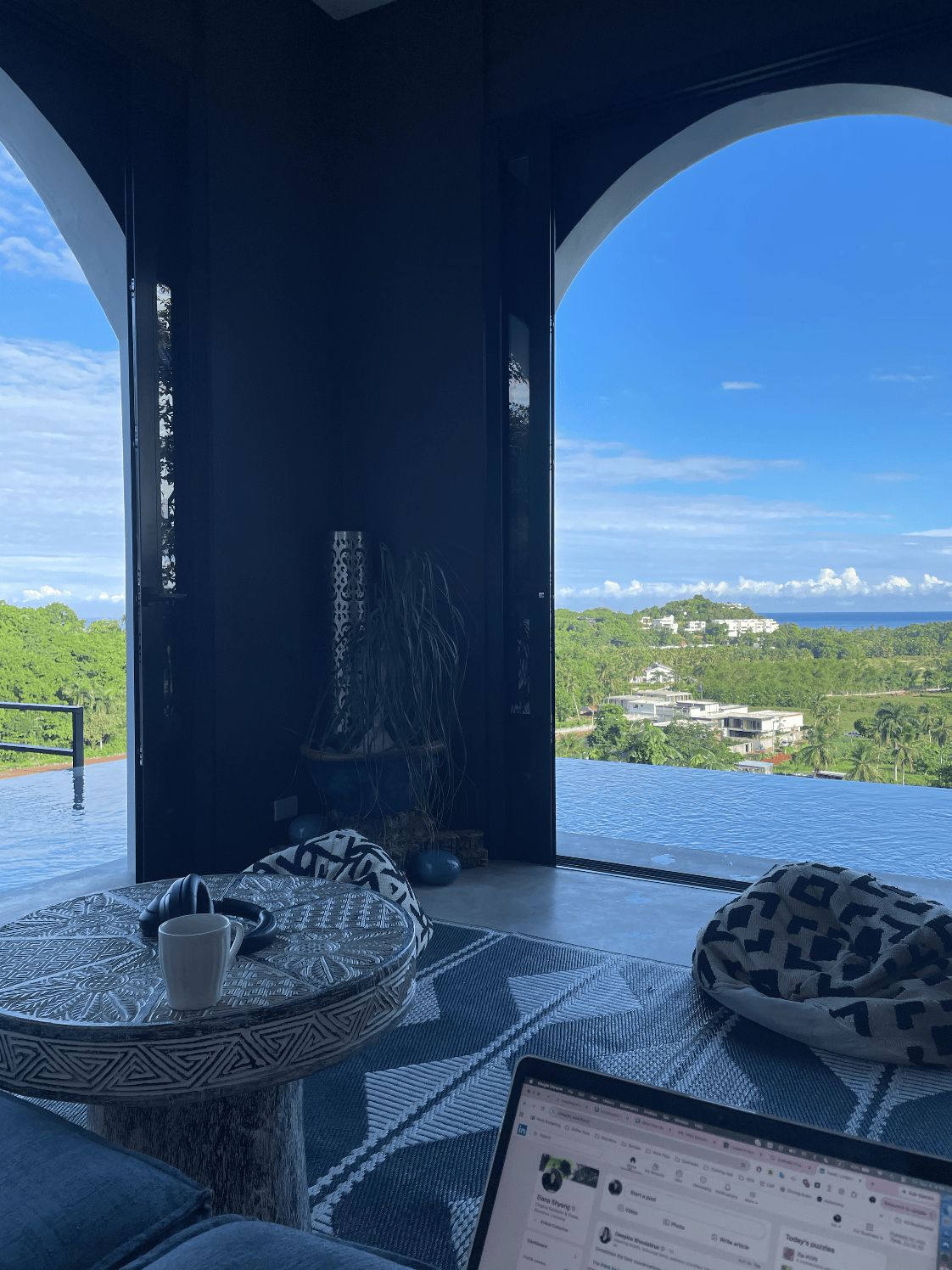
PS: Our "office" for the next two weeks (pictured above). Not bad, right?